www.alertdiver.com
|
81
occurring or in wounds). Microbes can infect through
injured skin, the ears and the mucosa of the mouth, eyes
and nose. Infections may also result from swallowing water.
Nonfatal drowning in marine environments brings seawater
into the lungs and can result in pneumonia. Some hazards
like aerosolized bacteria, generated in coastal environments
by wave activity, can transmit algal toxins to humans and
cause viruses to become airborne. This type of hazard is less
likely to cause illness in divers than swimmers, thanks to
masks and regulators.
Risk of direct infection by microbes from seawater is very
small. However, the risk increases significantly in warm,
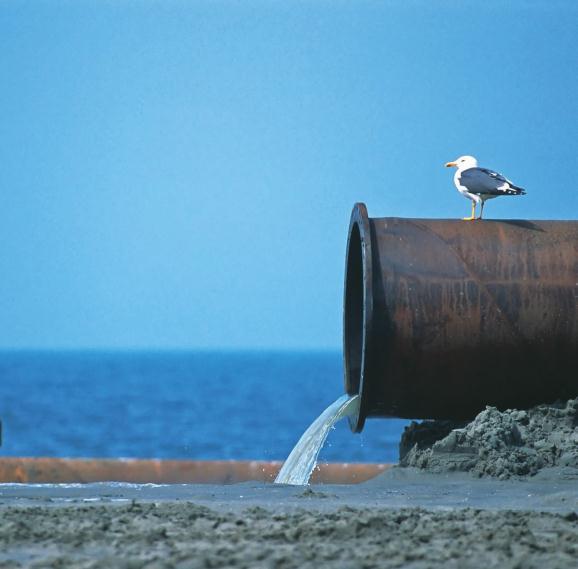
brackish waters, in waters proximate to sewage and run-off
inlets, at places of animal access and at populated beaches
Divers may acquire dive-specific infectious diseases from
exposure to the marine environment or as a result of close
contact with other people and their dive equipment. If
equipment is not properly cleaned, dried and stored after
use, colonies can grow and microbes can reach sufficient
numbers to infect users. Paradoxically, efforts to protect
80-85_Bacterial_Hazards_Fall2011.indd 81
9/29/11