Basic HTML Version


off the east end of Grand Cayman. That
was in January 2009, and it was at least
a month before a second fish was found.
Now these culling excursions typically
yield more than 50 adult lionfish.
Perhaps the best example of the
investment in and reinvention of
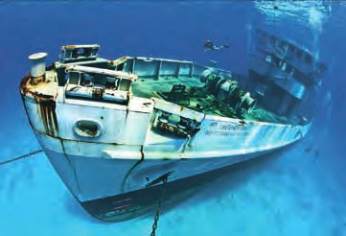
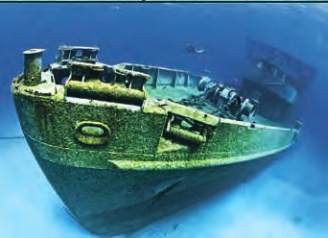
Cayman diving is the island’s newest dive
attraction: the Kittiwake (Alert Diver,
Spring 2011). The Kittiwake is a former
submarine-rescue vessel and the only
U.S. Navy ship sunk as an artificial reef
outside U.S. waters. It’s the perfect length
to circumnavigate on a single dive, yet
the interesting interior provides more
than enough entertainment for many
exploratory dives. I have not dived the
Kittiwake since it first went down in
January 2011, and I am really surprised
how much it’s changed in just one year.
It feels like a real wreck now that the
marine life has moved in. It attracted a
large school of horse-eye jacks almost
immediately, and now the decks are a
great place to see giant hogfish as well.
Squirrelfish and soldierfish are taking
up residence, and snappers hang in the
shadows. The covered winches on the aft
deck have become a cleaning station where
large groupers come to enjoy a brush up.
The story of the Kittiwake is just the
sort of thing that keeps me coming back
to Cayman. It’s one more example of how
a highly evolved dive industry is always
looking for ways to improve the customer’s
experience, both in and out of the water.
In the 1990s, big boats and big dive groups
dominated, but these days it is different, with
smaller groups, more personal attention
and increased diving freedom. I have
some friends who now dive exclusively in
Southeast Asia, believing their tastes have
evolved beyond what the Caribbean offers,
but what they miss is a Cayman dive scene
that has been steadily maturing. Grand
Cayman’s DNA of clear blue water, dramatic
walls and plentiful marine life endures. And
thanks to the innovation of the island’s dive
centers and government, the Cayman diving
experience remains fresh.
AD
Caribbean
Sea
Grand Cayman
George Town
Babylon
Stingray
City
Eagle Ray
Pass
Orange
Canyon
Lighthouse
Point
Ghost
Mountain
Cobalt
Coast Reef
3 Towers
In Between
Big
Tunnel
Oro Verde
Aquarium
Kittiwake
Jack McKenny’s
Canyons
Snapper
Hole
Old #12
Iron Shore
Gardens
Breaker’s
Cut-back
Lost
Wall
Sunset
House
Reef
Sunset
Reef
www.alertdiver.com
|
63
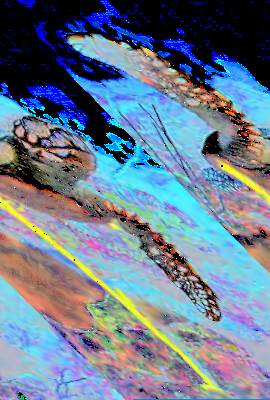
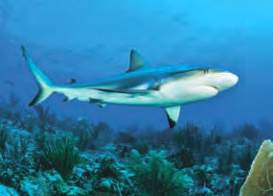
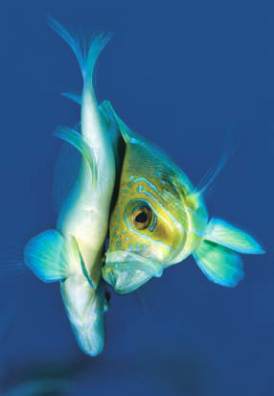
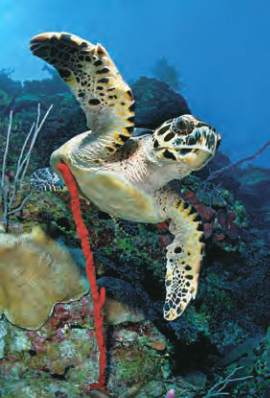
Clockwise from top left: Tarpon are common on many sites, particularly those with swim-throughs and canyons;
the Kittiwake just after sinking and one year later; a pair of barred hamlets mating at sunset; a Caribbean reef
shark, a common sight at the less-dived east end; hawksbill turtle on the sponge-rich North Wall