Basic HTML Version




being resuscitated. The best way to avoid SCD is to prevent heart
disease and maintain wellness and physical fitness despite aging.
Fitness and wellness programs
Physical fitness is the ability to move in a physical world and
change it by muscular effort. There are many components to it;
the main one is a capacity to conduct aerobic work. Good health
and fitness in older age is a matter of absence of disease, lifelong
healthy habits and fitness maintenance. Adopting a healthy
lifestyle at any age will improve quality of life, but a return to the
normal curve of fitness and longevity is probably proportional
to previously acquired insults. According to recommendations
of the American College of Sports Medicine (ACSM) and the
American Heart Association (AHA), regular physical activity,
including aerobic activity and muscle-strengthening activity, is
essential for healthy aging. The U.S. Department of Health and
Human Services published physical activity guidelines that can
be found at www.health.gov. Benefits of exercise are many, and
they are dose dependent: The more one exercises, the greater
the benefits are. These include reduced risk of cardiovascular
disease (and thus, SCD), tromboembolic stroke, hypertension,
type-2 diabetes, osteoporosis, obesity, colon cancer, breast
cancer, anxiety and depression. The ACSM and AHA maintain
that with sufficient skill, experience, fitness and training, older
adults can achieve high levels of physical activity. At the same
time, for some older adults, age-related fitness loss, chronic
diseases and functional limitations act as barriers to attaining
high levels of activity.
While the health benefits of physical activity may be
achieved with low to moderate levels of exercise, this
may not increase aerobic capacity or improve fitness for
swimming against a strong current. A high level of aerobic
fitness may be acquired and maintained only by regular
vigorous exercise, as approved by physician. Fitness for
swimming against a current includes fin-swimming skills.
Divers without these skills may not be able to create
sufficient propulsion to overcome strong current despite
their high aerobic capacity for muscular work. Thus, part of
divers’ exercise must be dedicated to fin swimming.
wellness
Wellness may be defined in various ways, but it is in essence
a subjective state of satisfaction with one’s present condition,
which depends greatly on underlying health and, at the same
time, helps improve health. One example of a practice that may
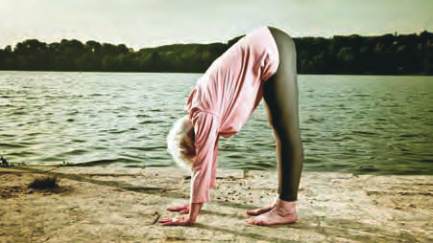
help individuals achieve wellness is yoga. Yoga seems to affect
flexibility, posture, balance and muscular strength. Relaxation
and breathing techniques seem to reduce overall sympathetic
tone in older adults, increase parasympathetic effects on heart
rate and potentiate heart-rate variability. Regular yoga practice
reduces anxiety and improves overall wellness.
Feelings of wellness do not necessarily coincide with
physical fitness. People who do not do regular, vigorous
exercise may discover their limitations in the face of a
challenge — only when it is too late. For enthusiastic divers,
diving may be very important for achieving wellness. To
promote continued fitness for diving, divers should maintain
a healthy lifestyle, exercise regularly, practice specific skills
for diving, use all means to achieve wellness and make wise
choices in diving.
AD
www.alertdiver.com
|
79