This is a SEO version of AlertDiver_Summer2011_web. Click here to view full version
« Previous Page Table of Contents Next Page »T
wo American college students in their 20s were backpacking in the Bolivian Andes. They were experienced hikers but had not backpacked internationally before. Both travelers were in good health and exercised regularly. They were near the town of Cochabamba, southeast of Bolivia’s capital, La Paz.
The Incident
They ascended from an altitude of approximately 9,000 feet above sea level to 13,000 feet in the first 48 hours of their hike. The following morning, one of the young men began to experience disorientation and difficulty breathing. He had complained of a persistent headache, fatigue and slight nausea since arriving at the hike’s initial altitude, but the confusion and respiratory distress were new symptoms and very concerning to both backpackers. They descended to seek a medical evaluation at a local clinic.
The local doctor, who was very familiar with altitude-related illnesses, suspected acute mountain sickness (AMS) (see sidebar). Upon examination, the physician detected fluid in the young man’s lungs (pulmonary edema). Additionally, the patient exhibited impaired coordination and concentration. The doctor was concerned these symptoms
might indicate cerebral edema, or increased fluid around the brain. These clinical indicators not only confirmed the diagnosis of altitude illness, they suggested the most severe forms of it: high altitude pulmonary edema (HAPE) and high altitude cerebral edema (HACE). The doctor initiated treatment with oxygen and appropriate medications. The patient improved, but only slightly.
The Complication
Oxygen and other medications are important elements in the treatment of AMS and can delay worsening of the condition. The definitive treatment for altitude illness, however, is prompt evacuation to a lower elevation. Due to the seriousness of this patient’s symptoms, he would need a hospital capable of acute care. There were hospitals nearby that could provide the appropriate care, but they were no lower in altitude than the clinic. Both the patient and his traveling companion were DAN ® Members, so they contacted DAN seeking assistance.
DAN medics obtained a thorough medical report from the treating doctor and quickly determined the patient needed to be evacuated. DAN’s consulting physicians along with DAN TravelAssist ® and DAN’s Latin American
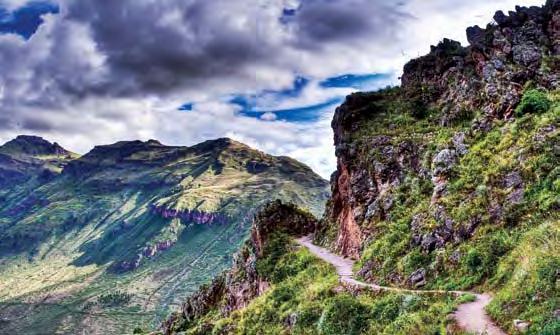
Altitude Illness in the Andes
B y M a r t y M c C a f f e r t y
48 | SUMMER 2011
This is a SEO version of AlertDiver_Summer2011_web. Click here to view full version
« Previous Page Table of Contents Next Page »