breathing and heart rhythm and blood pressure problems.
Later symptoms may occur days after the ingestion and
include numbness or tingling of the extremities and the
mouth or tongue, including dental pain that may mimic the
sensation of loose teeth. A typical symptom is the reversal
of hot and cold perception. Some of these symptoms may
persist for weeks or months.
Victims of suspected ciguatera poisoning should be
evaluated immediately by medical personnel. Mild cases
may be treated by diphenhydramine to relieve itching, but
it’s best to avoid ciguatera altogether. Don’t eat larger or
older fish of any reef species coming from known ciguatoxic
regions. Unfortunately, there are no reliable, commonly
available tests to determine if a fish is ciguatoxic.
Clupeotoxin
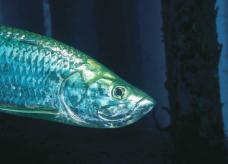
Clupeotoxic fish are typically found in the Caribbean, Africa
and the Indo-Pacific. Most affected fish are plankton-
feeders and include herring, tarpon, bonefish, sardines and
anchovies. Toxicity increases during summer months, and
internal organs are highly toxic. Symptom onset occurs
within minutes to hours of ingestion.
Symptoms include a metallic taste, vomiting, nausea,
diarrhea, sweating, muscle cramps, tingling and numbness.
Finger and toe tips as well as the lips or nose may
demonstrate a blue discoloration. Clupeotoxin does not
impart any abnormal taste, odor or appearance to affected
fish. Shock may occur, and death has been observed in as
many as 45 percent of severe cases.
Treatment for clupeotoxin poisoning should include
immediate medical evaluation and care. Prevention includes
avoidance of potentially clupeotoxic fish, particularly during
summer months.
Paralytic Shellfish Poisoning
Paralytic shellfish poisoning is not limited to any particular
region and may occur after ingestion of a variety of shellfish
including common mollusks, chitons, limpets, starfish and
some crabs. As with other marine poisonings, the internal
organs of affected organisms concentrate toxins. The toxin
is not destroyed by cooking or heat, and there is no noted
change in odor, appearance or taste of the shellfish.
Symptoms of paralytic shellfish poisoning may be rapid and
severe, initially involving numbness and tingling of the mouth
and lips before progressing to other body parts. Clumsiness,
blurred vision, headache and weakness may progress to difficulty
swallowing or breathing in severe cases. Abdominal pain, nausea,
vomiting and diarrhea are common. Breathing difficulty and loss
of consciousness may occur; however, paralyzed patients may
retain consciousness for some time. Death may occur in up to
12 percent of severe cases as a result of respiratory failure.
Treatment involves immediate medical care, including
oxygen and, possibly, artificial respiration. A popular
method of prevention is adhering to the adage of eating
shellfish only in months containing the letter “r.”
Other Possibilities
Illness following ingestion of seafood may come from a
variety of causes, including poisonings. Other potential
causes of illness include infections, bacteria or viruses that
may reside in marine creatures and cause gastroenteritis
after ingestion. These illnesses are typically self-limiting.
Poisonings such as those described here cause substantial
illness and, in some cases, even death. An awareness of these
poisonings as well as their prevention is key. All suspected
cases of severe marine animal poisoning should immediately
be brought to the attention of medical professionals.
AD
www.alertdiver.com
|
57
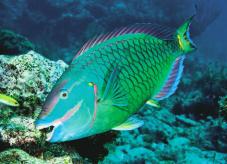
From far left: porcupinefish, stoplight parrotfish, tarpon
56-57_hazardous_marine_Fall2011.indd 57
10/5/11