This is a SEO version of AlertDiver_Summer2011_web. Click here to view full version
« Previous Page Table of Contents Next Page »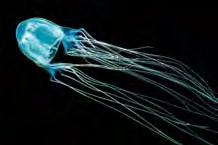
compromise and other unstable vital signs. If anaphylaxis occurs, immediately administer epinephrine with an EpiPen or Twinject auto injector, if available. Provide oxygen and the antihistamine diphenhydramine (Benadryl). All patients suspected of having a serious allergic reaction should be treated immediately by a physician, who may administer prednisone or other medications.
Safe Sea, a topical jellyfish-sting inhibitor, has been shown to effectively diminish or prevent certain jellyfish stings. Care should be taken when swimming or diving into jellyfish-infested waters. Protective clothing should be worn, and a wide berth should be given to all jellyfish because tentacles may trail for several meters behind the bell and main body of the organism. Gloves may help protect against hydroid and anemone stings.
Box Jellyfish Stings
The most well-known box jellyfish, Chironex fleckeri, is perhaps the most venomous creature in the sea and can cause death within minutes of envenomation. Although box jellyfish are most often found in quiet, protected and shallow areas — chiefly in the waters off northern Queensland, Australia — they may also be found in the open ocean. Death is attributed to shock, respiratory paralysis and subsequent cardiac arrest and may occur in 15-20 percent of cases. With any suspected box-jellyfish sting, the victim must be assessed rapidly for adequate breathing and supported as needed with artificial breathing and oxygen. The person should be moved as little as possible. The affected area should be immediately flooded with vinegar for at least 30 seconds and preferably a few minutes before any attempt is made to remove adherent tentacles; this can neutralize nematocysts somewhat and helps lessen the ultimate degree of envenomation. Severe pain and rapid development of wheals, blisters and reddish-purple tentacle markings are likely. In certain areas, such as Queensland, Australia, antivenin is available in hospitals and at some beaches, where lifeguards may be trained to administer it by intramuscular injection.
Portuguese Man-of-War
The Portuguese man-of-war (Physalia physalis), known in the Pacific as the bluebottle, is not a true jellyfish but
a colony of organisms. The man-of-war floats in the open ocean, typically in warm waters without any means of propulsion, relying solely on currents and winds. Man-of-war stings usually cause severe pain, leaving whiplike red welts on the skin. Other reactions include fever, shock, cardiac and pulmonary failure and, in rare cases, death.
Although painful, man-of-war stings often resolve on their own. Affected areas should be rinsed with seawater (avoid freshwater). If symptoms persist, worsen or show no sign of improvement after several hours, or if there are any systemic symptoms such as fever, confusion, nausea or vomiting, seek care from a physician.
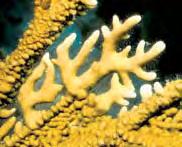
Fire Coral Sting
Fire corals are hydrozoans rather than true corals, although like corals, they are immobile. Fire corals have nematocysts but also have sharp edges that may cause lacerations or abrasions. Symptoms of fire-coral envenomation include immediate stinging and burning. A skin reaction, involving red wheals and blisters, may develop along with considerable itching. Fire-coral envenomations should be treated according to the general treatment principles described at the beginning of this article.
Seabather’s Eruption
Seabather’s eruption is a skin irritation, mostly of covered areas of the body, caused by larval forms of certain sea anemones. Skin manifestations of seabather’s eruption may occur minutes to hours after swimming. The reaction typically involves red, burning, itchy bumps and/or hives that may persist for up to two weeks. Treatment consists of washing the affected areas with soap and water followed by a vigorous rinse. An initial brief soak with vinegar may help reduce symptoms.
Jellyfish and hydroid envenomations are frequently painful and may occasionally cause severe illness. Careful employment of the techniques above, as well as an effective evacuation plan and knowledge of local medical facilities and resources (including the availability of antivenin) can reduce pain and may be lifesaving. AD
www.alertdiver.com | 51
This page, from left: a box jelly-fish; fire coral. Opposite, from top: encounters with free-floating jellyfish larvae can cause itchy bumps; vinegar neutralizes nematocysts to prevent further envenomation; a Portuguese man-of-war
This is a SEO version of AlertDiver_Summer2011_web. Click here to view full version
« Previous Page Table of Contents Next Page »