This is a SEO version of AlertDiver_Summer2011_web. Click here to view full version
« Previous Page Table of Contents Next Page »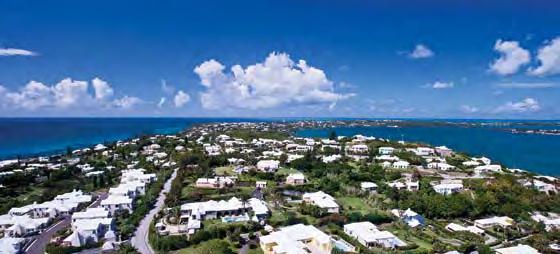
pulled into the harbor, but the next morning I had forgiven the sea and began a relationship with the island that has spanned decades and eight return trips. I feel as if I’m just now beginning to understand this small island and to really know the stories behind Bermuda’s shipwrecks, which have come to reside in these waters for a variety of interesting reasons.
By Storm
My touchstone is the wreck I first dived in 1983, the 385-foot Pelinaion , which hit a reef in 1940 after the British blacked out St. David’s lighthouse during World War II. I’ve watched this wreck evolve over the years; storms have shifted it, and large grouper have come and gone. But the
drama of this wreck, with its massive triple expansion engine and giant boilers, has never lost its appeal. As I dive it I imagine the calamity that brought it here — the dreadful crunching and high-pitched squealing of metal being ripped open by reef, the fish scattering from this catastrophic change to their world. Above the wails and howls of the wind, sailors’ voices prayed, shouted and screamed for help. I look at the boiler and can almost hear the unearthly hissing and the explosions of clouds of bubbles as heated metal and water suddenly met the coolness of the Atlantic. These are the stories that invade my mind as I explore each artificial reef; these tales are the heart of this wreck-ridden world. Only the magic of the sea could transform
such moments of terror into tranquil ocean gardens.
By Treachery?
With more than 300 wrecks to dive, it’s easy to get overwhelmed by all the choices, but I love stories and usually decide based on a combination of remaining structure and intriguing history. The story of the 225-foot Mary Celestia , a side-paddlewheel steamer that sunk in 1864, is as intriguing as her ghostly remains. During the U.S. Civil War, this steamer would slink through the seas as a blockade-runner for the Confederacy. A smuggler, the Mary Celestia toted food, guns, supplies and anything else the troops in the South needed, mostly under cover of darkness. On Sept. 13, 1864, with a full hold and
a Bermudan pilot named John Virgin at the helm, the ship was headed out fast through the channel. When the crew pointed out some breakers in the path of the ship, the pilot insisted he knew the waters and then summarily slammed into the reef. Personally, I think it was done on purpose after some shadowy tavern deal made for insurance money or cargo salvage. A local and trusted pilot would surely have known the waters. But ships sink not only by storm, it seems, but also by scheme and perfidy. Today, the intact paddlewheel sits at 55 feet, festooned with gorgonians and sea fans, becoming a vibrant mini-ecosystem. Its skeletal remains resemble a spider’s web lacing the graves of shipwrecked
76 | SUMMER 2011
Above: Aerial view of Bermuda from Gibbs Hill Lighthouse Opposite, from top: The Forceful, a tugboat sunk off the south shore as an artificial reef in 2008; beach view from Coco Reef Resort in Paget Parish; the Caraquet ’s anchor
“
.”
This is a SEO version of AlertDiver_Summer2011_web. Click here to view full version
« Previous Page Table of Contents Next Page »